
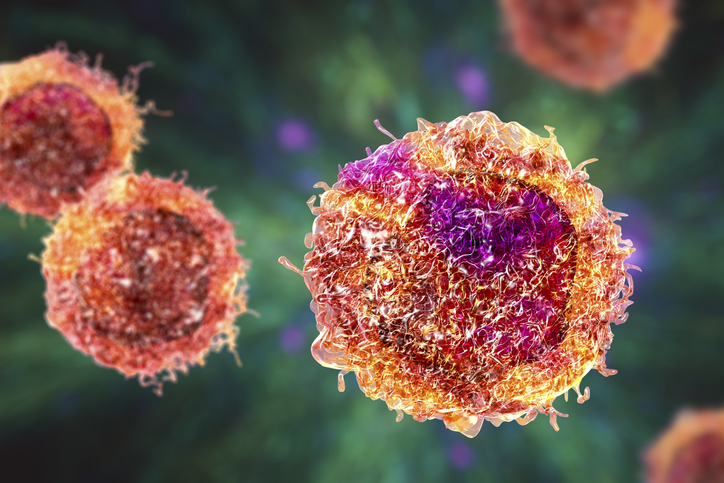
University of Pittsburgh researchers have found a novel trigger of high-grade serous ovarian cancer (HGSOC). Discovery of high-risk progenitor cells located in the fallopian tube supportive tissue could lead to enhanced prevention and detection methods. HGSOC, the deadliest form of ovarian cancer, begins in the fallopian tubes and often progresses from precursor lesions called serous tubal intraepithelial carcinoma (STIC). The findings may provide a prevention or reversal scenario for ovarian cancer, and lend insight into better early detection strategies.

The True Cost of Focusing on Cost Instead of Cost-Effectiveness
When payors consider only the cost of the medication and not the cost and risk to the patient, doctor, and healthcare system, the irony is


